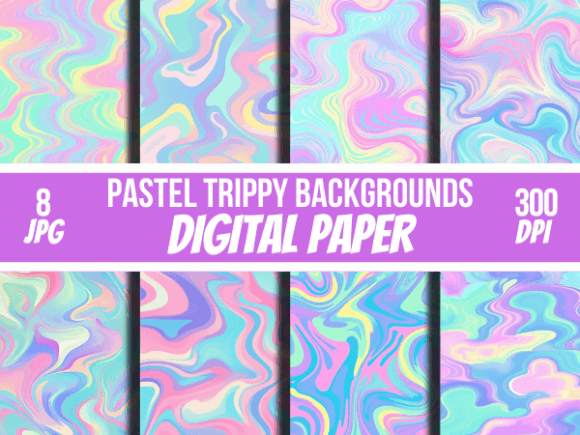
Unlocking Iridescence: Mastering Holographic Foil Papers Backgrounds JPG
The Allure of the Holographic Finish
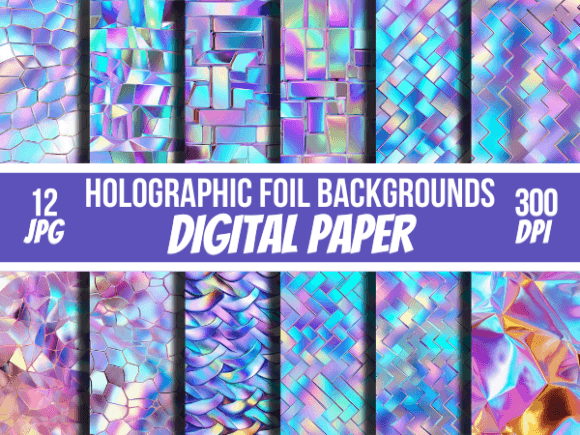
There is an undeniable magnetism to the way light interacts with a holographic surface. It’s that prismatic, shifting spectrum of color that catches the eye and refuses to let go. For designers and creators, capturing this effect digitally used to be a complex task of layering gradients and blend modes. The Holographic Foil Papers Backgrounds JPG collection changes the game by delivering that authentic, high-impact iridescence in a ready-to-use format. This isn't just a static image; it's a versatile design asset that injects instant energy, modernity, and a premium tactile feel into any project it touches. The visual personality here is unapologetically bold, futuristic, and luxurious, making it a powerful tool for anyone looking to elevate their work beyond the ordinary.
At its core, this collection is about texture and light. The 12 distinct JPG files, each at a substantial 4096 x 4096 pixels and 300dpi, provide a seamless, high-resolution canvas that mimics the physical foil papers used in high-end packaging design and stationery. The visual characteristics are defined by smooth, flowing color transitions—think electric blues melting into vibrant pinks, with flashes of gold and green catching at the edges. It possesses a style that is both playful and sophisticated, making it a fantastic counterpoint to clean, minimalist sans serif font types or a dazzling backdrop for elegant script font typography. This duality is its greatest strength; it can feel like a cutting-edge tech startup's brand element or the glamorous wrapper for a luxury cosmetics line.
Strategic Applications: Beyond a Simple Background
Understanding where these backgrounds shine is key to leveraging their full potential. Their primary strength lies in applications where visual impact and memorability are paramount. In brand identity and logo design, a subtle holographic texture can be used as a background element on a website hero section, a business card, or a social media profile banner to create a cohesive and contemporary look. For entrepreneurs and small business owners, especially in sectors like beauty, tech accessories, or event planning, this asset can become a signature visual element that audiences instantly recognize. It’s not about plastering it everywhere, but using it strategically as a premium font might be used—as an accent that signals quality and attention to detail.
The practical applications are vast and deeply valuable across digital and print realms:
- Marketing & Social Media Graphics: Use it as a background for product launch announcements, Instagram story highlights, or Facebook ad creatives. The dynamic color shift stops the scroll, making it perfect for social media graphics that need to stand out in a crowded feed.
- Publishing & Editorial Design: A holographic texture can add a stunning, tactile quality to magazine covers, book jackets, or digital zine layouts. Paired with a strong serif font for headlines, it creates a striking contrast between classic structure and modern flair.
- Packaging & Product Design: Imagine this as the sleeve for a limited-edition product, the background of a cosmetic label, or the wrap for a gift box. It instantly communicates value and excitement.
- Creative & Personal Projects: The applications are only limited by imagination. It’s perfect for scrapbooking digital layouts, creating unique party invitations and decorations, designing custom wall art, or even as a digital wallpaper for your devices.
Working with the Asset: A Practical Guide
Integrating such a vibrant asset into your workflow requires a thoughtful approach. First, consider the context of your project. A holographic background is high-energy. It works best when it has space to breathe. In a dense text layout, it can become overwhelming and harm readability. The solution is often to use it in large, open areas—hero banners, poster backgrounds, or product mockup surfaces—and pair it with plenty of white space or solid, dark colors for text containers. This creates a clear visual hierarchy, where the holographic element draws attention, and the content remains legible.
Next, think about font pairing. The futuristic, fluid nature of the holographic effect calls for typefaces that can hold their own. A geometric sans serif font with clean lines often pairs beautifully, creating a modern, tech-forward aesthetic. For a more luxurious or feminine feel, a flowing script font or an elegant handwritten font can create a beautiful contrast, the organic curves playing against the structured shimmer. Avoid overly ornate or busy display font styles that might compete for attention. Test your pairings by placing your text over a section of the background to check for contrast and clarity.
Finally, remember the technical specifics. These are high-resolution JPGs, making them ideal for both web and print. For web design, you may need to optimize the file size without sacrificing too much quality to ensure fast page loading. For print projects like business cards or brochures, the 300dpi ensures a crisp, professional output. Because this is a commercial font asset (in this case, a digital paper), always verify the licensing terms for your intended use, whether it's for personal crafts or client work. By treating the Holographic Foil Papers Backgrounds JPG not just as a filler but as a strategic component of your modern typography and layout system, you can harness its full power to create work that is visually compelling, professionally polished, and truly unforgettable.