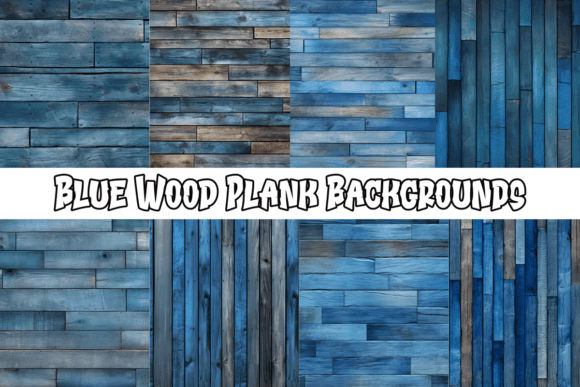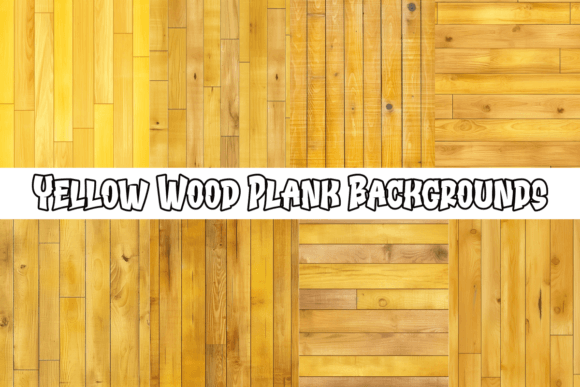
Green Wood Plank Backgrounds: Fresh Design Inspiration
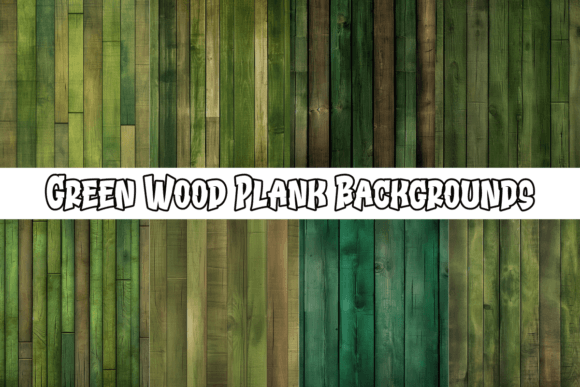
When you think of natural textures in design, wood is often the first material that comes to mind. It brings warmth, authenticity, and a sense of groundedness to any project. Now, imagine that timeless texture reimagined with a vibrant, unexpected twist. Our collection of Green Wood Plank Backgrounds does exactly that, offering a unique design asset that merges the rustic charm of timber with the revitalizing energy of green. This isn't just a background; it's a statement piece that can completely transform the visual story you're telling.
The Visual Character of Green Wood Plank Backgrounds
What makes these backgrounds so compelling is their dual nature. They retain the honest, tactile quality of real wood—visible grain patterns, subtle knots, and the natural imperfections that give it character. However, the color palette shifts from traditional browns and grays to a spectrum of greens. You might find a soft, mossy sage that feels calm and organic, a deep forest green that evokes mystery and depth, or a bright, energetic lime that adds a modern pop. This color infusion prevents the texture from feeling heavy or dated, instead giving it a fresh, contemporary personality.
The style is inherently versatile. It can lean towards a rustic, eco-friendly aesthetic perfect for brands that prioritize sustainability. Alternatively, when paired with clean sans serif typography and minimalist layouts, it can feel surprisingly modern and sophisticated. The texture provides a rich, organic backdrop that adds visual interest without overwhelming the primary content. Think of it as a canvas that tells its own story of nature and renewal, setting a distinct mood before a single word of copy is even read.
Strategic Applications Across Creative Projects
The true value of a design asset like this lies in its application. For brand identity and logo design, a Green Wood Plank Background can instantly communicate a company's values. A boutique skincare line, a craft coffee roaster, or a sustainable furniture maker could use it to reinforce a connection to nature, quality, and craftsmanship. It moves a brand's visual language beyond cliché imagery into something more textured and memorable.
In the realm of marketing and social media graphics, these backgrounds are a powerhouse. They stop the scroll. Use them for Instagram story backgrounds, Facebook cover photos, or Pinterest pins to make promotional content feel more artisanal and less corporate. For web design, they can be used sparingly but effectively—perhaps as a hero section background for a landing page or within a featured blog post header—to create focal points and guide the user's eye.
The applications extend into editorial design and publishing as well. Imagine a magazine layout for an outdoor adventure feature or a cookbook focusing on farm-to-table recipes. A green wood plank texture can frame photos, serve as a chapter opener, or add depth to a sidebar. For packaging design, especially for products in the food, beverage, or wellness sectors, it can be used on labels, boxes, or tissue paper to create an unboxing experience that feels premium and thoughtful.
Enhancing Visual Hierarchy and Audience Engagement
Strategic use of texture directly influences how an audience perceives and interacts with your content. A Green Wood Plank Background, when used as a canvas for text, requires careful consideration of readability and visual hierarchy. The key is to ensure sufficient contrast. A deep green plank texture pairs beautifully with clean white or cream-colored text, especially when using a serif font for headlines to add elegance or a sans serif font for body copy to ensure clarity.
This texture can elevate a brand's perception, signaling creativity and attention to detail. It moves a design from flat and digital to something that feels more tangible and crafted. For content creators and bloggers, using these backgrounds consistently can become part of a recognizable visual signature, enhancing brand consistency across platforms. It’s a form of modern typography in action—where the background is an integral part of the typographic composition, not just a passive space behind it.
Practical Guidance for Implementation
Before diving in, evaluate your project's fit. Ask yourself: Does my brand's personality align with themes of nature, freshness, or artisanal quality? If yes, this collection is worth exploring. When choosing a specific background, consider the color tone's emotion. A muted olive green feels different from a vibrant emerald. Test it with your existing brand colors and typography.
Always test font pairings. A bold, condensed display font might work well over a simpler plank texture, while a more intricate, grain-heavy background might call for a cleaner typeface. Review the collection for variety—some planks may be weathered and rustic, others smooth and modern. Finally, ensure you understand the licensing. These are premium font and asset collections, and using them in commercial projects requires proper licensing to avoid legal issues down the line.
In practice, start small. Use a green wood plank background for a single social media campaign or as the basis for a new logo concept. See how it resonates with your audience. The goal is to use this powerful creative font (in this case, a texture asset) to add a layer of sophistication and natural appeal that generic backgrounds cannot provide. It’s about making a deliberate choice that enhances the overall narrative of your design, turning a simple project into something with depth and character.