Unlocking Creativity with Vintage Shabby Chic Journal Backgrounds
There’s a particular charm in the worn, the weathered, and the lovingly used. It tells a story without words, evoking a sense of history, comfort, and authenticity. This is the essence captured in a collection of Vintage Shabby Chic Journal Backgrounds. These aren't just digital papers; they're foundational textures designed to infuse your projects with a distinct personality that feels both nostalgic and warmly inviting. For anyone working in design, crafting, or content creation, having a versatile set of high-quality, thematic backgrounds is like having a well-stocked pantry for your creative kitchen.
The Visual Soul of Shabby Chic Textures
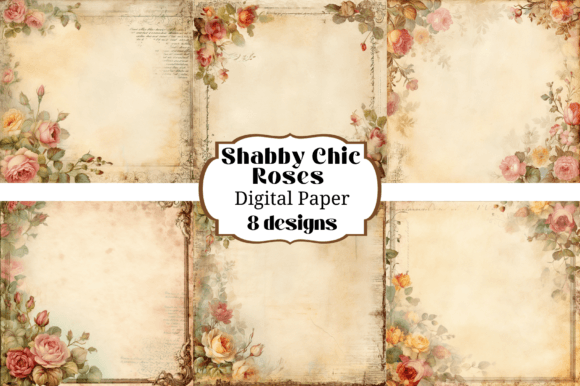
So, what defines the aesthetic of these backgrounds? Imagine soft, muted color palettes—think faded roses, antique creams, distressed blues, and gentle sage greens. The textures themselves are a blend of subtle imperfections: the delicate grain of aged paper, faint, elegant script overlays, the soft bloom of watercolor stains, and the gentle wear of time. The personality is one of relaxed elegance. It’s romantic without being saccharine, vintage without feeling dated. The overall appeal lies in its ability to create a mood instantly. A project built on these backgrounds carries an inherent warmth and handmade quality, suggesting care and attention to detail. This style moves beyond mere decoration; it sets a narrative tone, making it a powerful tool in a creator's arsenal for establishing a specific brand identity or editorial mood.
Where These Backgrounds Truly Shine
The practical applications for a set like the 13 Vintage shabby chic scrapbook or junk journal digital paper backgrounds are extensive, crossing the boundaries between digital and physical, personal and commercial. Their utility is rooted in their high-resolution, 300 DPI PNG format, which ensures crisp detail whether printed or used on screen. Let's explore where they work best.
- Scrapbooking & Junk Journals: This is their native habitat. They provide instant, cohesive pages for digital scrapbooks or printable journals. The textures add depth to layouts, making photos and embellishments pop without overwhelming the composition.
- Paper Crafts & Card Making: As a base for handmade cards, gift tags, or party invitations, these backgrounds lend a professional, boutique-level finish. A simple die-cut shape on a shabby chic texture can become a stunning focal point.
- Digital & Print Design: For editorial design, such as magazine layouts, book covers, or newsletter headers, these backgrounds add a layer of visual interest. In packaging design, they can evoke artisanal quality for products like handmade soaps, candles, or stationery. For web design, they can be used as subtle website section backgrounds or hero image overlays to create a unique, textured look.
- Branding & Marketing: For businesses, especially those in the lifestyle, wellness, crafting, or boutique retail spaces, these textures can be integral to social media graphics. They create a consistent, recognizable feed aesthetic. Use them for quote graphics, story backgrounds, or promotional banners. They also work beautifully for creating branded stationery, from thank-you cards to email newsletter backgrounds.
- Content Creation: Bloggers, publishers, and entrepreneurs can use these as backgrounds for text-heavy graphics, infographics, or presentation slides. They help break up monotonous layouts and keep the audience visually engaged.
Making Informed Choices for Your Project
Simply having a beautiful asset isn't enough; knowing how to deploy it effectively is key. When considering these Vintage Shabby Chic Journal Backgrounds, think about your project's core message. The style communicates softness, authenticity, and a connection to the past. It’s perfect for projects that aim to feel personal, handcrafted, or timeless. It might not be the best fit for a tech startup or a brand built on stark, modern minimalism.
Evaluate the specific patterns within the set. Some may have stronger textures, while others are more subtly distressed. Choose the one that supports your content without competing with it. For a text-heavy design, a quieter background with less pattern is wise. For a photo collage, a more textured page can add cohesive charm.
Consider font pairing. The organic, often flowing nature of shabby chic textures pairs beautifully with certain typefaces. A clean sans serif font can provide excellent contrast and ensure readability for body text. A delicate script font or handwritten font can complement the aesthetic for headings or accents, but should be used sparingly. Avoid overly ornate or complex display fonts that might get lost in the texture. The goal is visual hierarchy—your text must remain the star.
Finally, remember the practicalities of a digital download. The fact that these are separate, labeled PNG files in a zip folder is a significant advantage. It allows you to mix, match, and use individual pages without being locked into a single layout. The lack of watermarks and the high resolution mean you have a true premium font (in this case, a premium texture set) asset ready for commercial use, giving you the flexibility to resize and adapt for any medium, from a tiny sticker to a large poster.
In the end, a resource like this is about more than just pretty papers. It’s about expanding your creative vocabulary. It provides a reliable, high-quality foundation that can save hours of searching or creating textures from scratch, allowing you to focus on the unique elements of your project. By understanding its style and applying it thoughtfully, you can leverage these backgrounds to create work that resonates on a deeper, more emotional level with your audience.