The Quiet Power of Grey Alcohol Ink Backgrounds
Understanding the Fluid Aesthetic
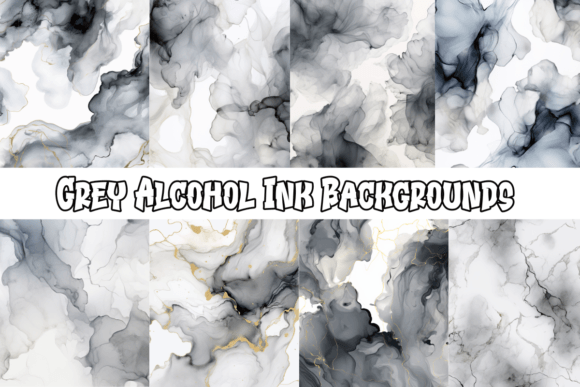
There is a specific kind of depth that only alcohol ink can achieve, and when translated into the realm of digital design assets, it creates an immediate visual anchor. Our Grey Alcohol Ink Backgrounds collection isn't just about filling empty space; it’s about establishing a mood. Unlike flat, solid colors, these backgrounds possess a living, breathing quality. The ink interacts with the medium in unpredictable ways, creating organic blooms, sharp edges where pigment concentrates, and translucent washes where it fades. This results in a texture that feels tactile, even on a screen. You aren't just looking at a color; you are looking at a process.
The appeal of this specific collection lies in its neutrality. Grey is often misunderstood as a boring or "safe" choice, but in the context of alcohol ink, it becomes a complex landscape of silver, charcoal, slate, and smoke. The visual personality of these backgrounds is one of sophistication and calm. They provide a "quiet" foundation that allows foreground elements to shine without competing for attention. For the modern designer or creative entrepreneur, this is invaluable. It captures the essence of modern typography trends where negative space and texture are used to create hierarchy, offering a backdrop that feels premium and intentional.
Where Texture Meets Function: Practical Applications
When you are building a brand or a project, the background does the heavy lifting of setting the tone. Grey Alcohol Ink Backgrounds are incredibly versatile because grey sits at the intersection of professional and artistic. If you are working on web design, these textures work beautifully as hero sections. A large, sweeping ink wash behind a clean, sans serif font creates an immediate high-end aesthetic. It suggests that the brand is creative yet structured. Because the texture is organic, it softens the hard lines often found in digital interfaces, making the user experience feel more approachable.
For social media graphics, the challenge is always stopping the scroll. These backgrounds are perfect for quote cards, product announcements, or story templates. They add enough visual interest to catch the eye but remain neutral enough to work with almost any color palette. Imagine a sharp, white display font or a delicate script font overlaid on a dark charcoal ink wash. The contrast is striking, ensuring your message is legible while looking distinctively artistic. This is particularly useful for content creators, bloggers, and influencers who need a cohesive visual identity that doesn't require a new photoshoot for every post.
Beyond the digital screen, the utility of Grey Alcohol Ink Backgrounds extends into packaging design and editorial design. In print, texture is tactile. Using these backgrounds for book covers, lookbooks, or high-end menus adds a layer of sophistication that flat color cannot match. For logo design presentations, placing a client’s logo over an ink background can instantly elevate the mockup, helping the client visualize their brand identity in a real-world context. It transforms a simple logo into a lifestyle element. Whether you are designing a business card for a boutique agency or a backdrop for a podcast cover, the fluid nature of the ink provides a professional yet creative flair.
Strategic Implementation and Design Harmony
Using a textured background effectively requires a strategy to ensure readability and visual hierarchy. The most common mistake creatives make is letting the background overpower the content. With Grey Alcohol Ink Backgrounds, the key is leveraging the negative space. Look for areas within the image where the ink is lighter or more diffused. These are your "quiet zones." Place your most critical text—headlines, calls to action, or body copy—over these lighter washes. This ensures that the texture enhances the design rather than obscuring the message.
Font pairing is also crucial when working with such organic design assets. Because the ink creates flowing, irregular shapes, it pairs exceptionally well with typefaces that have clean, geometric lines. A modern serif font or a bold sans serif font provides a necessary structural contrast to the fluidity of the ink. Avoid using highly decorative or overly busy handwritten font styles as your primary text, as this can create visual chaos. Instead, use them sparingly for accents, letting the background and the main typography create a balanced composition.
When evaluating these assets for your project, consider the "weight" of the grey. Lighter greys with silver and white undertones are excellent for airy, minimalist projects, such as wedding invitations or luxury wellness branding. Darker, slate-toned backgrounds convey authority and seriousness, making them suitable for corporate presentations, tech branding, or music album art. Always test your specific color palette against the background. The beauty of grey is its compatibility, but you want to ensure your brand colors pop rather than get muddy.
Finally, always review the licensing and resolution of your premium font and background assets. For commercial use, especially in print runs or large-scale advertising, you need high-resolution files that won't pixelate. These Grey Alcohol Ink Backgrounds are designed to be scalable, maintaining their intricate details whether used as a small icon background or a massive billboard print. By integrating these assets thoughtfully, you move beyond generic design and create a visual language that feels bespoke, textured, and deeply engaging for your audience.