Capturing Energy: The Visual Power of Yellow Alcohol Ink Backgrounds
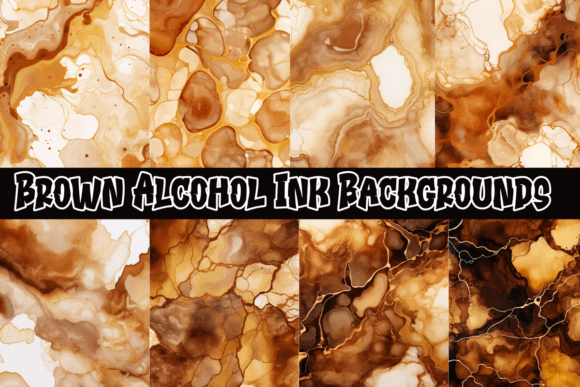
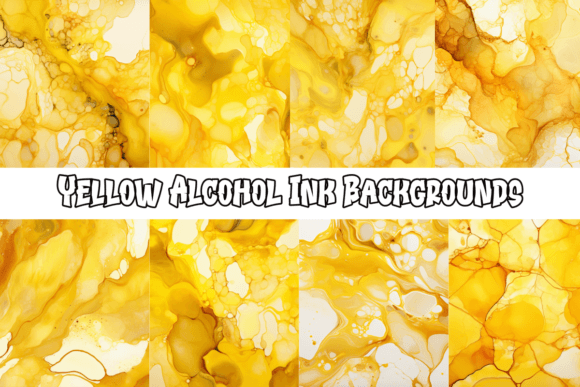
There is a specific kind of energy that only yellow can bring to a design. It is the color of optimism, warmth, and immediate attention. When you combine that inherent vibrancy with the unpredictable, fluid nature of alcohol ink, you get something truly special for your creative toolkit. We are introducing a collection of Yellow Alcohol Ink Backgrounds designed to solve a common problem for creators: finding a backdrop that is abstract enough to be versatile but bold enough to set a mood instantly. These aren't static, flat textures. They are digital captures of liquid movement, blending deep amber and gold with bright, acidic lemon tones to create a sense of depth and organic flow.
Understanding the Fluid Aesthetic
As a designer, I often find that standard geometric patterns or subtle gradients feel too rigid for modern projects. You need something that feels alive. These Yellow Alcohol Ink Backgrounds are characterized by their high-contrast marbling and unpredictable edge bleeds. The visual personality is one of controlled chaos—organic shapes that mimic the way ink interacts with solvent on non-porous surfaces. This style offers a tactile quality, making the viewer feel as though they could reach out and touch the wet paint.
The appeal lies in the versatility of the yellow spectrum. Unlike a standard solid color, these backgrounds provide a rich texture that supports overlays without looking cluttered. The "bleeding" effect of the ink naturally creates areas of light and shadow. This means you have built-in visual hierarchy. If you place text over a lighter, diluted section of the background, it remains legible. If you want a logo to pop, you can frame it against a darker, concentrated pool of pigment. This texture adds a layer of sophistication and artistic flair that flat design simply cannot replicate.
Strategic Applications for Modern Creators
For entrepreneurs and content creators, the challenge is always maintaining audience engagement. Yellow is psychologically associated with happiness and energy, making these backgrounds perfect for marketing materials that need to inspire action. However, using them effectively requires a bit of strategy. You wouldn't want to use a chaotic, high-contrast ink background for a 500-word blog post body text; that would be a readability nightmare. Instead, think of these assets as hero sections, headers, or feature image backdrops.
Web Design and Digital Presence
In web design, these backgrounds work exceptionally well for "above the fold" sections. They grab attention immediately upon landing on a page. Because they are abstract, they don't compete with specific product photography but rather set a tone of creativity and warmth. They are also excellent for 404 pages or landing pages where you want to inject personality without distracting from a single call-to-action button.
Social Media and Marketing
On platforms like Instagram or Pinterest, visual noise is high. A striking Yellow Alcohol Ink Background can stop the scroll. They are particularly effective for quote graphics, sale announcements, or podcast covers. The fluidity of the ink pairs beautifully with modern, sans-serif typography, creating a high-contrast pairing that feels both professional and artistic.
Branding and Packaging
For small business owners, especially in the beauty, wellness, or lifestyle sectors, these textures can elevate a brand identity. Imagine a cosmetics brand using these backgrounds on their website headers or as texture overlays on product packaging. It suggests that the brand is organic, energetic, and creative. It moves a brand away from the "corporate sterile" look and toward something more human and approachable.
Practical Implementation and Design Considerations
When integrating these assets into your workflow, the most important factor to consider is contrast. Yellow is a naturally light color, which means dark text usually performs best. However, because alcohol ink creates varied tones, you need to be selective about placement.
- Typography Pairing: These backgrounds have a lot of movement. To keep your design professional, pair them with clean, geometric typefaces. A bold, heavy sans-serif font often works best because the solid weight of the letters contrasts with the fluid, airy nature of the ink. Avoid overly decorative or handwritten fonts for body copy, as they will get lost in the texture.
- Opacity and Overlays: Sometimes, the full vibrancy of the yellow might be too intense for your brand palette. Don't be afraid to lower the opacity of the background layer or place a semi-transparent white or black overlay on top. This subdues the background just enough to make your foreground elements the star of the show.
- Color Harmony: Yellow pairs naturally with dark charcoals, navy blues, and crisp whites. It can also create a stunning, high-energy look when paired with magenta or cyan, mimicking a pop-art aesthetic.
Choosing the Right Asset for Your Project
Not all texture packs are created equal. When evaluating a collection of Yellow Alcohol Ink Backgrounds, look for high-resolution files. If you plan on using these for print—such as brochures, business cards, or canvas prints—you need files that are at least 300 DPI. Low-resolution textures will look pixelated and cheap, which can damage your brand's credibility.
Furthermore, check the licensing. If you are a designer creating a logo for a client, or a business owner using the image on merchandise for sale, you need to ensure the license covers commercial use. A "standard" license might cover a website banner, but it might not cover printing the design on 500 t-shirts. Always verify the terms to avoid legal headaches down the road.
Finally, look for variety within the collection. You want a mix of "busy" textures with lots of intricate details and "quiet" textures with larger, smoother washes of color. Having options allows you to maintain a consistent color story across different platforms while varying the visual density to suit the specific needs of a social media post versus a printed flyer. By treating these backgrounds as versatile design assets rather than just decoration, you can infuse your projects with a burst of warmth and fluidity that resonates with your audience.