Unleash Warmth with Red Wood Planks Backgrounds
Understanding the Visual Power of Red Wood
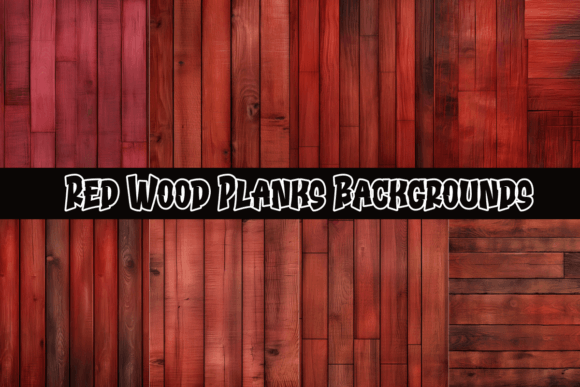
When you think of Red Wood Planks Backgrounds, you aren't just imagining a digital texture; you are visualizing a specific mood. These backgrounds capture the essence of rich, aged timber, ranging from deep mahogany and burgundy to brighter, rustic cherry tones. The visual personality of these assets is inherently warm, organic, and commanding. Unlike flat, solid colors, the natural grain patterns found in these planks introduce a layer of complexity and authenticity to your work. The texture brings a tactile quality to digital screens, making your designs feel grounded and real.
The appeal lies in the "imperfections" of the wood. Knots, rings, and variations in color saturation create a dynamic surface that prevents visual monotony. For designers and content creators, this means you have a background that does a lot of the heavy lifting. It creates an immediate sense of atmosphere—whether that is rustic comfort, vintage sophistication, or bold energy. Red Wood Planks Backgrounds are not just a backdrop; they are a design element that speaks a language of heritage and nature.
Strategic Applications for Modern Creators
The versatility of Red Wood Planks Backgrounds makes them a staple in the toolkit of modern designers and marketers. However, knowing where to use them effectively is key to maximizing their impact. Because wood textures are visually dense, they work best in scenarios where they can complement the foreground content without overwhelming it.
Branding and Identity
For businesses in the hospitality, artisan food, or outdoor adventure sectors, these backgrounds are invaluable. Imagine a brewery using a subtle, weathered red plank texture behind their logo on a website header. It instantly communicates craftsmanship and tradition. When building a brand identity, consistency is crucial. Using Red Wood Planks Backgrounds across business cards, letterheads, and social media banners creates a cohesive visual language that tells a story of quality and durability.
Digital Marketing and Social Media
In the fast-paced world of social media, grabbing attention is difficult. Text-heavy posts often get scrolled past, but a post with a textured, warm background stops the thumb. Social media graphics for autumn sales, holiday promotions, or "quote of the day" posts gain significant traction when set against red wood. The warmth of the red tones evokes positive emotions, making the content more shareable. For web design, these backgrounds can be used for hero sections to create a welcoming landing page, though care must be taken to ensure text legibility.
Editorial and Packaging Design
In editorial design, such as magazine layouts or blog headers, red wood planks provide a rustic frame for photography, especially portraits or food photography. The earthy tones of the wood make colors in the foreground pop, particularly greens, blues, and golds. For packaging design, a wood texture communicates an eco-friendly or handmade quality. It suggests that the product inside is natural or crafted with care, adding perceived value to the item.
Technical Considerations and Pairing Strategies
While Red Wood Planks Backgrounds are visually stunning, they require a thoughtful approach to typography. This is where the principles of modern typography come into play. You cannot simply slap any font on top of a busy wood grain and expect it to be readable.
Ensuring Readability and Hierarchy
The primary challenge with textured backgrounds is readability. To solve this, establish a clear visual hierarchy. Use a semi-transparent overlay (like a dark gradient or a soft white wash) over the wood where your text will sit. This creates a "safe zone" for your words.
Regarding font pairing, contrast is your best friend. Avoid using complex script fonts or overly detailed serif fonts directly over the wood grain, as the texture can compete with the letterforms. Instead, consider:
- Sans Serif Fonts: A clean, bold sans serif font works beautifully against the organic chaos of the wood. The geometric precision of the typeface contrasts with the natural flow of the grain, creating a balanced look.
- Bold Serif Fonts: If you prefer a serif font, choose one with thick strokes (high x-height) to ensure it doesn't get lost in the texture.
- Display Fonts: If you are creating a logo design or a poster, a heavy display font can look incredible, provided it is large enough to dominate the background.
Practical Tips for Implementation
Integrating these design assets into your workflow requires a bit of technical savvy. Whether you are working in Photoshop, Canva, or Figma, here are practical steps to get the most out of your Red Wood Planks Backgrounds:
- Evaluate the Resolution: Ensure the background resolution matches your output medium. A texture that looks great on a small Instagram post might look pixelated on a printed flyer or a 4K monitor.
- Color Grading: Don't be afraid to adjust the hue and saturation of the wood. Sometimes a red wood plank background might be too vibrant for a specific brand palette. Desaturating it slightly can turn it into a more subtle, neutral beige-brown that fits better with your brand identity.
- Blend Modes: For digital artists, experiment with blend modes. "Multiply" can darken the texture to use as a background, while "Screen" or "Overlay" can apply the wood texture onto other objects for a printed-on-wood effect.
- Commercial Licensing: Always verify the licensing of your premium font and background assets. Ensure your license covers your specific use case, whether it is for a personal blog or a large-scale commercial product run.
Conclusion
Red Wood Planks Backgrounds offer more than just a surface; they provide a story. They bridge the gap between the digital and the physical, bringing the comfort of the natural world into our screens. By understanding the visual weight of these textures and applying solid design principles regarding typography and hierarchy, you can transform a standard project into something memorable and engaging. Whether you are designing a wedding invitation or a corporate website, these backgrounds provide a foundation of warmth, stability, and undeniable style.