Rich Digital Textures: Oil Paint Seamless Backgrounds
In the world of digital design, we often spend so much time perfecting our typography and vector layouts that we forget about the foundation: the background. A flat, solid color works for minimalist corporate reports, but when you need to evoke emotion, nostalgia, or artistic flair, standard hex codes fall short. This is where Oil Paint Texture Seamless Backgrounds step in to bridge the gap between digital precision and fine art sensibility. These assets offer the rich, tactile feel of a physical canvas without the mess of turpentine or the drying time of linseed oil.
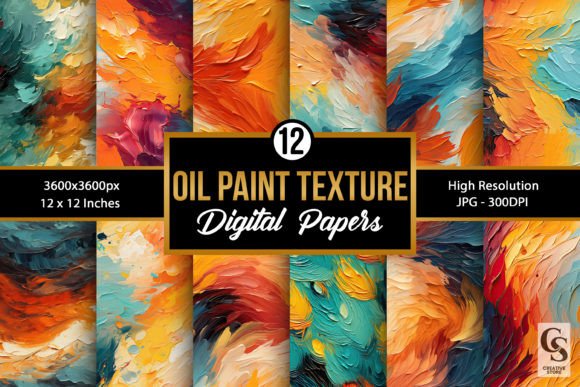
At their core, these textures are high-resolution digital papers designed to mimic the thick, visceral strokes of oil painting. The collection typically features that distinct "impasto" look—where the paint sits heavily on the surface—offering a visual depth that flat graphics simply cannot achieve. We are talking about 300dpi resolution at 3600 x 3600 pixels. To the non-designer, that might sound like technical jargon, but to a professional, it signals print-readiness. It means you can blow these images up for wall art or scale them down for intricate planner stickers without losing the grain and definition of the brushstrokes. The "seamless" aspect is the technical hero here; it ensures that when you tile the image to cover a large area—like a website background or a full sheet of wrapping paper—the edges disappear, creating an infinite, unbroken flow of color and texture.
The Visual Character of Digital Impasto
What makes these backgrounds so compelling is their personality. Unlike a generic digital noise filter, Oil Paint Texture Seamless Backgrounds possess a warmth and irregularity that feels organic. They carry the weight of artistic history. Depending on the specific palette within the collection, they can range from moody and dramatic dark tones—perfect for gothic or vintage branding—to soft, pastel washes that feel romantic and airy. This versatility makes them a heavy-hitting asset in any designer’s library. They don’t just sit in the background; they actively participate in the storytelling of your project.
For those working in brand identity, these textures offer a way to stand out in a sea of clean, geometric modernism. Consider a boutique candle maker or a vintage clothing store. Using an oil paint texture as the backdrop for their logo or packaging immediately communicates a sense of craftsmanship and tradition. It tells the customer that the product inside is made with care. It moves a brand away from looking "mass-produced" and toward feeling "artisanal." Even for modern businesses, incorporating these textures into specific campaign assets—like a social media header or a holiday email blast—can break the monotony of standard web design, adding a layer of sophistication that static images lack.
Practical Applications: From Screen to Print
The utility of this collection extends far beyond simple web design. Because the files are delivered as high-resolution JPGs, they are incredibly robust for print-on-demand and physical craft projects. This is where the "seamless" feature truly shines for the maker community.
- Greeting Cards and Invitations: Imagine a wedding invitation suite where the background isn't just cardstock, but a subtle, watercolor-style oil wash. It adds a layer of luxury that guests will notice immediately.
- Planners and Journals: For the planner community, these textures make beautiful covers or decorative tape strips. The 12x12 inch format is specifically tailored for scrapbooking, allowing you to print full sheets of "paper" that look and feel expensive.
- Physical Products: If you are designing packaging for a coffee blend or a craft beer, these textures provide an excellent background layer. You can overlay bold, sans-serif typography on top of the gritty paint texture to create a high-contrast, legible, and visually striking label.
- Digital Products: Content creators can use these as backgrounds for Instagram quotes, YouTube thumbnails, or e-book covers. The texture prevents the image from looking too "digital" and sterile, which helps in holding the viewer's attention longer.
Integrating Texture into Your Design Strategy
Using a texture effectively requires a bit of strategy. You cannot simply drop an oil paint background behind any text and expect it to work. The primary concern is readability. Because these textures are busy and have high contrast within the brushstrokes, placing small, thin text directly on top of them can cause visual fatigue for the reader.
The solution lies in visual hierarchy and layering. If you are using the texture for a website background, consider placing a semi-transparent white or dark overlay (a "scrim") between the image and the text. This preserves the artistic feel of the oil paint while creating a quiet zone for your typography to breathe. Alternatively, use the textures for elements that don't require heavy reading, such as sidebar graphics, footer backgrounds, or hero image borders.
When it comes to font pairing, the contrast is your friend. The organic, uneven nature of oil paint pairs beautifully with clean, geometric sans-serif fonts. The modern lines of a typeface like Helvetica or Montserrat cut through the visual noise of the texture, ensuring your message remains clear. Conversely, if you are going for a vintage or editorial look, pairing the texture with a bold, decorative serif font can create a powerful, classic aesthetic reminiscent of old-world art galleries. Avoid pairing these textures with overly ornate script fonts unless the script is very large and used sparingly as an accent; otherwise, it becomes a tangled mess of lines and strokes.
Maximizing Your Investment in Design Assets
For entrepreneurs and small business owners, purchasing a pack of Oil Paint Texture Seamless Backgrounds is an investment in versatility. One zip file containing 12 distinct patterns gives you enough variety to launch a full seasonal campaign or revamp your entire product line without looking repetitive.
When evaluating these assets for your next project, keep a few things in mind. First, look at the "tooth" of the texture—how fine or coarse is the grain? A finer texture works better for digital screens where pixels are tight, while a coarser texture holds up better on large-format prints like posters or wall art. Second, consider the color palette relative to your brand. If your brand colors are cool blues and greens, look for textures within the set that lean toward cooler undertones, or be prepared to apply a color overlay in Photoshop to tint the image to match your brand identity.
Ultimately, these textures are about adding humanity to the digital experience. In an era of AI-generated perfection and vector precision, the slight imperfections of an oil paint stroke feel grounding. They remind the viewer that there is a creative hand behind the work. Whether you are designing a planner sticker, a tumbler wrap, or a landing page, utilizing these backgrounds is a surefire way to elevate your project from "standard" to "memorable."