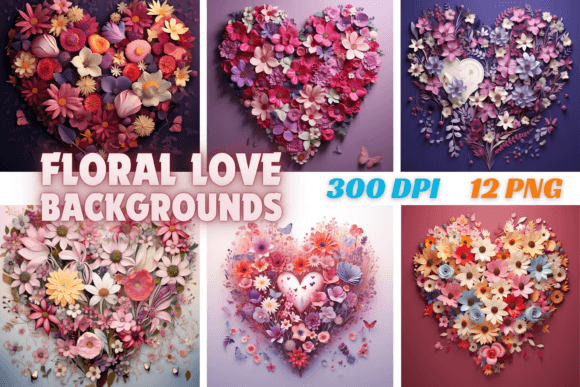
Floral Love Valentine's Day Backgrounds: A Designer's Guide
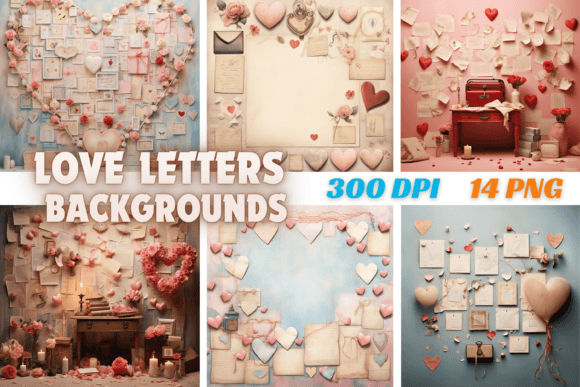
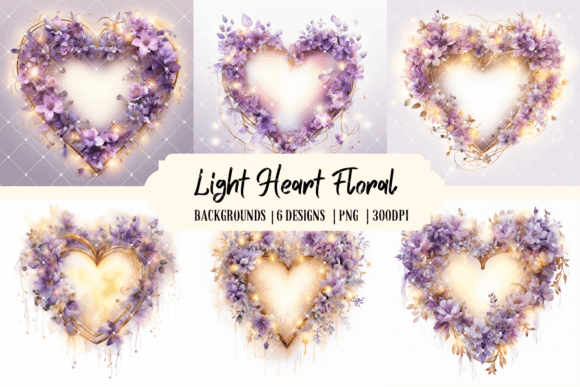
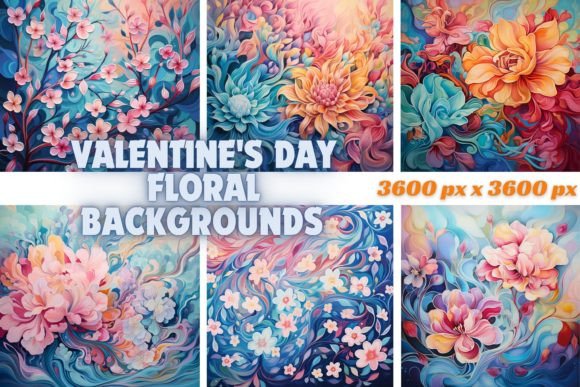
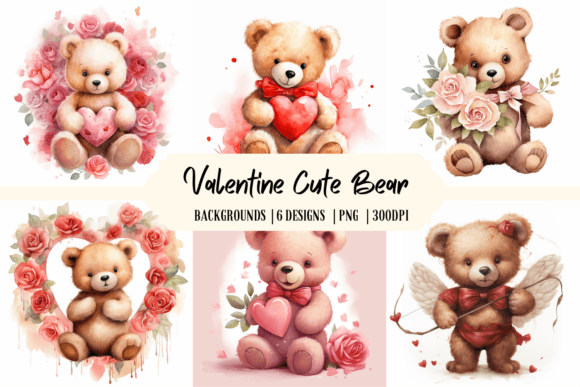
Valentine's Day projects often fall into two categories: those that feel generic and those that resonate. The difference usually lies in the foundational assets. A strong background sets the entire mood before a single word of copy is added. This is where the Floral Love Valentine's Day Backgrounds collection comes in. It offers 12 distinct HD images that move beyond simple pink hearts, providing a sophisticated, textured base for any romantic-themed work.
These backgrounds feature a blend of soft-focus botanicals, elegant watercolor washes, and intricate floral line art. The personality is romantic but not childish. Think of muted rose golds, creamy ivories, and deep berry accents intertwined with delicate petal illustrations. The style leans towards a modern romantic aesthetic, making it versatile for both youthful and mature audiences. This isn't just a seasonal asset; it's a design toolkit for creating atmosphere.
Practical Applications for Creative Professionals
The real value of a design asset is measured by its utility. Where do these backgrounds actually work? The applications are broader than you might initially think.
- Digital & Web Design: Use these as hero section backgrounds on websites for florists, wedding planners, jewelry brands, or boutique hotels. They create an immediate emotional connection. As a web design element, they add depth without overwhelming foreground text, especially when paired with a clean sans serif font.
- Social Media & Marketing: For social media graphics, these are invaluable. Create cohesive Instagram stories, Facebook ad templates, or Pinterest pins for Valentine's Day promotions. The consistent style across the 12 images helps maintain brand consistency in a campaign.
- Print & Packaging: In packaging design, a subtle floral background on a gift box or shopping bag elevates the perceived value. For editorial design, think magazine feature layouts, greeting card interiors, or book chapter pages for romance novels.
- Personal & Commercial Projects: From digital invitations and logo design mockups to blog headers and YouTube video thumbnails, these backgrounds provide a professional polish. They are commercial font—or rather, asset—friendly, meaning you can use them in client work and for-sale products with the proper license.
A key observation: these backgrounds excel when they are not the loudest element. Their strength is in creating a supportive, textured environment. A designer's job is to build a visual hierarchy, and a well-chosen background is the first layer of that structure.
Integrating with Typography and Brand Identity
A background is only half the equation. The other half is typography. The right font pairing with these floral backgrounds can define the entire message. For a luxe, classic feel, pair a background with a refined serif font like a premium font such as Playfair Display. This combination works well for high-end product marketing or elegant wedding stationery.
For a more approachable, modern vibe, combine a softer floral background with a friendly sans serif font like Montserrat or Lato. This is ideal for a small business's social media or a blog. If you're going for a deeply personal, handwritten touch, a delicate script font or handwritten font can be stunning—but use it sparingly for headlines only to maintain readability. This is where a creative font choice really shines.
When using these backgrounds, always test for contrast. Place your text layer over the image and check readability. You may need to add a subtle semi-transparent overlay or a text shadow to ensure your message isn't lost. This practical step is crucial for professionalism and audience engagement.
Making the Most of Your Design Assets
Before you start a project, evaluate the fit. Does the background's color palette align with your brand identity? The collection's range of pinks, reds, and neutrals is versatile, but always check against your brand's specific color codes. Use the backgrounds as a starting point for your project's color story.
Don't feel limited to the most obvious use. A background with a dense floral corner could be cropped to frame a product shot. A more abstract, watercolor-style one could be used as a texture overlay on a solid color. The goal is to use these design assets creatively, not literally.
Finally, consider the licensing. If you're a small business owner or a content creator using these for client work or merchandise, ensure you understand the terms. A clear commercial license protects you and your client, allowing you to create a visual masterpiece with confidence and legal clarity. This collection provides a foundation; your skill and vision will build upon it to create something truly engaging and effective.