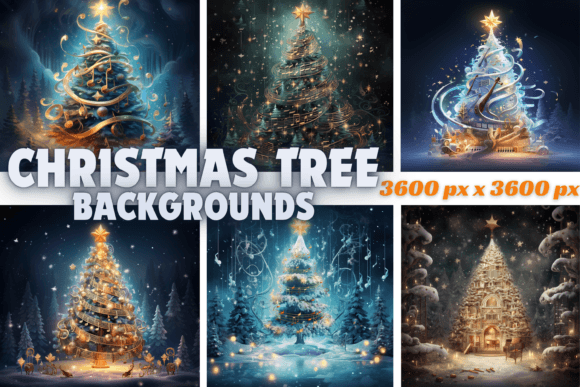
Enchanting Christmas Tree Backgrounds for Festive Designs
Capturing the Heart of Holiday Design
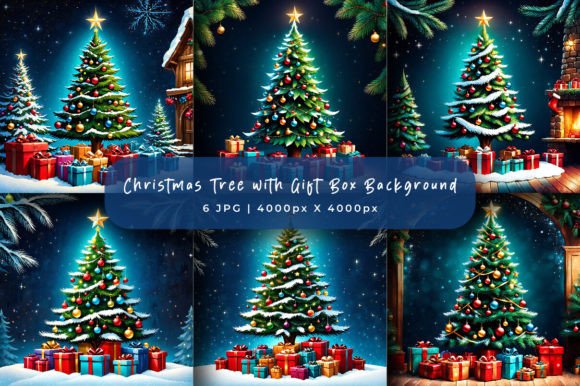
The Christmas tree is more than just a decoration; it is the visual centerpiece of the holiday season, symbolizing warmth, celebration, and togetherness. When we talk about Christmas Tree Backgrounds, we are discussing a specific category of design assets that serves as the foundation for countless creative projects. These are not merely generic green shapes; they are curated HD images featuring intricate details—twinkling fairy lights, textured ornaments, soft bokeh effects, and realistic pine needles. The visual personality of this collection leans heavily into the "magical" and "enchanting" spectrum. It is designed to evoke an immediate emotional response, tapping into the nostalgia and joy associated with the holidays. For a designer or content creator, these backgrounds act as a premium font does for typography: they provide the tone, mood, and structure upon which the rest of the creative work is built.
The style of these backgrounds is inherently versatile. Some images in a collection like this might feature a traditional, realistic pine tree with rustic wooden decorations, perfect for a vintage or cozy brand identity. Others might lean towards a modern, high-gloss aesthetic with metallic baubles and sharp lighting, suitable for contemporary social media graphics or high-end e-commerce promotions. The "enchanting" quality comes from the lighting—usually soft glows and twinkling accents that create depth. This visual depth is crucial because it allows text and other design elements to pop without looking flat or cluttered. Unlike a solid color background, a textured Christmas tree background adds a layer of richness and professionalism to a project, signaling to the viewer that care and attention to detail have been invested in the presentation.
Strategic Applications in Creative Projects
Understanding where and how to deploy these backgrounds is key to maximizing their impact. In the realm of digital projects, Christmas Tree Backgrounds are incredibly effective for seasonal marketing campaigns. Imagine you are a small business owner crafting an email newsletter for a December sale; a subtle, blurred Christmas tree background can frame your copy, making the email feel festive without distracting from the call to action. Similarly, for social media graphics, these high-resolution images provide the perfect backdrop for announcements, giveaways, or holiday greetings. The visual hierarchy is important here: the tree establishes the "holiday" context immediately, allowing the viewer to process the text overlay faster because the mood is already set.
Beyond the digital screen, these assets shine in print design. For packaging design, a Christmas tree background can transform a standard gift tag or product box into a seasonal collector's item. Crafters and hobbyists will find immense value in using these images for custom greeting cards, invitations, and scrapbooking. The high-resolution nature of the files ensures that even when printed on large formats—like a holiday banner or a photo backdrop for a family portrait—the details remain crisp. There is no pixelation, only the rich texture of the festive foliage. This versatility bridges the gap between commercial and personal use, making it a valuable asset for anyone looking to add a professional polish to their holiday creations.
Typography Pairings and Visual Harmony
One of the most common challenges when using photographic or illustrated backgrounds is ensuring legibility. A busy background can easily swallow text, especially if you are using a script font or a handwritten font with thin strokes. The key to pairing typography with Christmas Tree Backgrounds lies in contrast and positioning. If the background features a dense cluster of branches and ornaments, it is wise to use a bold sans serif font for your headlines. The clean, geometric lines of a sans serif typeface cut through the organic complexity of the tree, ensuring your message is readable. Conversely, if the background is a soft-focus, bokeh-style image with plenty of negative space, you might have the freedom to use a more delicate serif font or an elegant script to convey sophistication and warmth.
Consider the specific application when choosing your font pairing. For editorial design, such as a holiday magazine cover or a blog post header, you might overlay a classic display font that commands attention. The tree background serves as the atmospheric layer, while the typography provides the information hierarchy. For logo design or branding elements, the background can be used to mock up how a logo looks in a seasonal context. It is also useful to test your text against different sections of the image. Placing text over the darker, shadowed parts of the tree often works best if your text is white or light-colored, creating a natural "text box" effect without needing a solid shape behind the letters.
Evaluating Quality and Licensing for Professional Use
When selecting design assets, quality is non-negotiable. The term "HD" or "High Definition" in the context of these backgrounds implies a resolution sufficient for both web and print applications. For a designer, this means checking the pixel dimensions. A background intended for a website hero image has different requirements than one intended for a printed poster. Always ensure the resolution matches your output needs to avoid blurriness. The visual consistency of the collection is also vital. If you are creating a series of social media posts or a cohesive set of invitations, the 14 different images should ideally share a similar color palette or lighting style. This ensures that your brand identity remains consistent even as you switch up the visuals.
Finally, the practical matter of commercial licensing cannot be overlooked. If you are a marketer, blogger, or business owner, you must ensure that the assets you use are cleared for commercial use. This protects you legally and ensures that your marketing materials are compliant. Reviewing the "Key Features" of a collection often reveals the terms of use—look for clarity on whether the assets can be used in end products for sale (like printed merchandise) or if they are restricted to digital advertising. By treating these Christmas Tree Backgrounds as professional design assets rather than just disposable holiday filler, you elevate the perceived value of your own work, creating a polished, engaging, and festive experience for your audience.