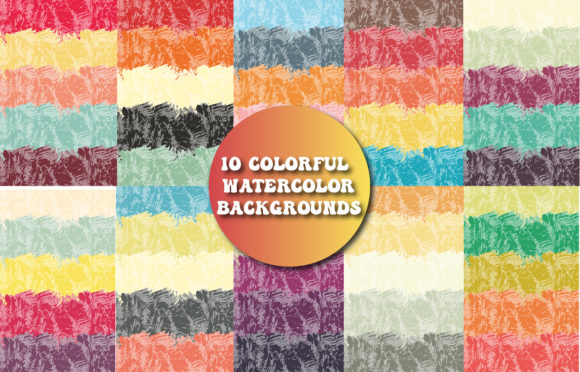
10 Colorful Watercolor Backgrounds: Vibrant Design Assets
The texture of paper and the flow of pigment can often tell a story better than a solid block of color ever could. In the world of digital design, we often strive to bring that organic, human feel into our work, moving away from rigid geometric perfection. If you are looking to inject life, movement, and a hand-crafted aesthetic into your projects, a reliable set of design assets is essential. This collection of 10 Colorful Watercolor Backgrounds offers exactly that—a blend of artistic flair and technical utility designed for the modern creative.
When you download this package, you are receiving more than just a few blobs of paint. You get a curated library of textures specifically formatted for high-end output. The delivery consists of a convenient Zipped file containing 10 distinct JPEG images. Each file boasts a robust resolution of 300 PPI (pixels per inch), which is the gold standard for print production. Furthermore, the dimensions are set at a square 2000 x 2000 pixels, utilizing an RGB color profile. This technical specification ensures that the colors remain vibrant and saturated, whether you are using them for screen-based projects or preparing them for digital printing. It is a versatile toolkit built to handle the demands of professional branding and personal craft alike.
The Anatomy of the Aesthetic
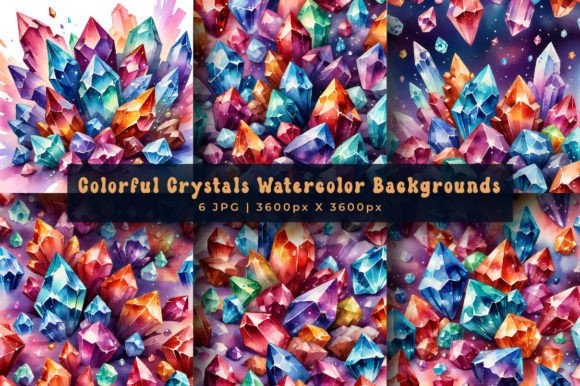
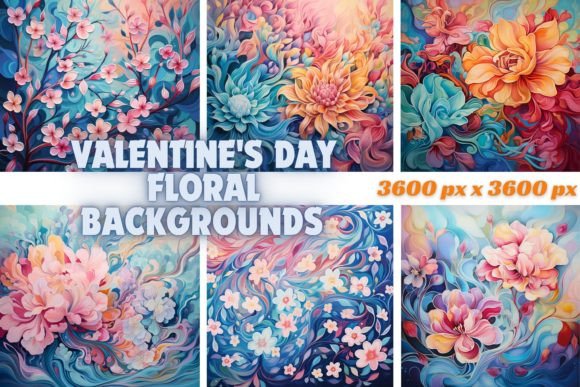
What makes these 10 colorful watercolor backgrounds so effective is their visual personality. Unlike generic stock photos, these backgrounds capture the nuance of the medium. You can expect to see the subtle bleed of pigment where the water has pushed the color outward, leaving lighter washes in the center and darker, more concentrated edges. This creates a natural "frame" effect without being heavy-handed. The color palettes are designed to be bold yet balanced. They provide enough energy to catch the eye but remain versatile enough not to overwhelm the foreground content you layer on top.
The overall appeal lies in the imperfection. In an era dominated by vectorized perfection and flat design, watercolor introduces a tactile quality. It feels human and approachable. This style works exceptionally well for projects that require a touch of warmth and sincerity. The textures serve as a bridge between the digital and physical worlds, making your screen designs feel like tangible objects. Whether you are working on a whimsical invitation or a sophisticated mood board, these backgrounds provide a strong emotional foundation that flat colors simply cannot replicate.
Integrating Watercolor into Modern Projects
One of the most common challenges designers face is finding assets that fit a variety of contexts without looking out of place. These 10 colorful watercolor backgrounds solve this problem through their adaptability. Because they are high-resolution RGB files, they are perfectly suited for both web design and high-quality digital printing.
For web design, these textures are excellent for hero sections, landing page headers, or "About Us" pages where you want to humanize the brand. They provide a soft, non-distracting environment for overlaying text. When used in social media graphics, they cut through the noise of the feed. A textured background adds depth to quotes, announcements, and promotional posts on platforms like Instagram and Pinterest. The square format (2000x2000) is particularly useful here, as it fits natively into many social media aspect ratios or can be easily cropped for stories and vertical formats.
Beyond the screen, these assets shine in packaging design and editorial design. Imagine a product label for a gourmet jam, a line of artisanal soap, or a boutique coffee brand. Using a watercolor background suggests that the product inside is crafted with care and natural ingredients. In publishing, these images work beautifully as chapter dividers in books or as the backdrop for magazine covers and internal spreads. They offer a way to create visual hierarchy—the texture draws the reader's eye, while the clean white space of the watercolor wash provides a resting place for typography.
Pairing Typography with Texture
A background is only as good as the foreground elements that sit upon it. When working with textured assets like these 10 colorful watercolor backgrounds, your choice of typeface is critical. The goal is contrast and legibility. Because watercolor is organic and complex, your typography should generally lean toward clean and structured.
A sans serif font is often the safest and most effective choice. The geometric simplicity of a modern sans serif creates a pleasing counterpoint to the organic flow of the paint. For example, a bold, uppercase sans serif header in white or dark charcoal will "pop" immediately against a busy watercolor wash. If you are aiming for a more elegant or editorial look, a serif font with high contrast can also work, provided the watercolor background is applied lightly or masked to create areas of negative space.
While script fonts or handwritten fonts might seem like a natural fit due to their artistic nature, use them with caution. Placing a complex script over a detailed watercolor texture can result in visual clutter, making the text unreadable. If you must use a display font or script, ensure it is bold enough to hold its own, or place a semi-transparent shape or banner behind the text to separate it from the background noise. This practice ensures your brand identity remains sharp and your messaging clear.
Practical Application for Brand Identity
Consistency is the cornerstone of strong branding. If you are a small business owner, a blogger, or a content creator, using these backgrounds can help establish a cohesive visual language. By selecting one or two of the 10 colorful watercolor backgrounds that best match your brand colors, you can create a suite of templates. This applies to business cards, letterheads, presentation slides, and website banners.
When building a brand identity, the texture communicates your values. A bright, multi-colored watercolor splash might suggest creativity, diversity, and energy—ideal for a children’s brand or a creative agency. A softer, pastel-toned background might suggest gentleness and sophistication, suitable for wellness or beauty brands. By integrating these assets into your logo design process—perhaps as a background element behind the logotype or a subtle overlay—you can add a layer of depth that sets you apart from competitors using flat, generic imagery.
Commercial Use and Licensing Considerations
For professionals, the ability to use assets commercially is non-negotiable. The value of a premium font or background set lies in its licensing flexibility. These 10 colorful watercolor backgrounds are intended for multiple uses. This means you can incorporate them into physical products you sell, such as planners, wall art, or merchandise, as well as digital products like e-books or online courses.
However, a practical recommendation for any designer is to always review the specific licensing terms included in the download. While the assets are versatile, understanding the limits regarding print runs or digital distribution rights is part of professional due diligence. Treat these backgrounds as you would any other design asset in your toolkit: with respect for the intellectual property and an understanding of how they fit into your commercial workflow.
Final Thoughts on Versatility
Ultimately, the strength of this collection lies in its balance of art and utility. It is not just about having 10 pretty pictures; it is about having 10 functional tools that solve design problems. Whether you are creating a wedding invitation, a Facebook ad, or a book cover, the 10 colorful watercolor backgrounds provide a ready-made solution for adding texture, warmth, and professionalism to your work. They bridge the gap between the hand-made and the digital, offering a timeless aesthetic that resonates with audiences across all demographics. By pairing them with thoughtful typography and clear design strategy, you elevate your projects from simple layouts to polished, engaging visual experiences.